Physical Address
304 North Cardinal St.
Dorchester Center, MA 02124
Physical Address
304 North Cardinal St.
Dorchester Center, MA 02124

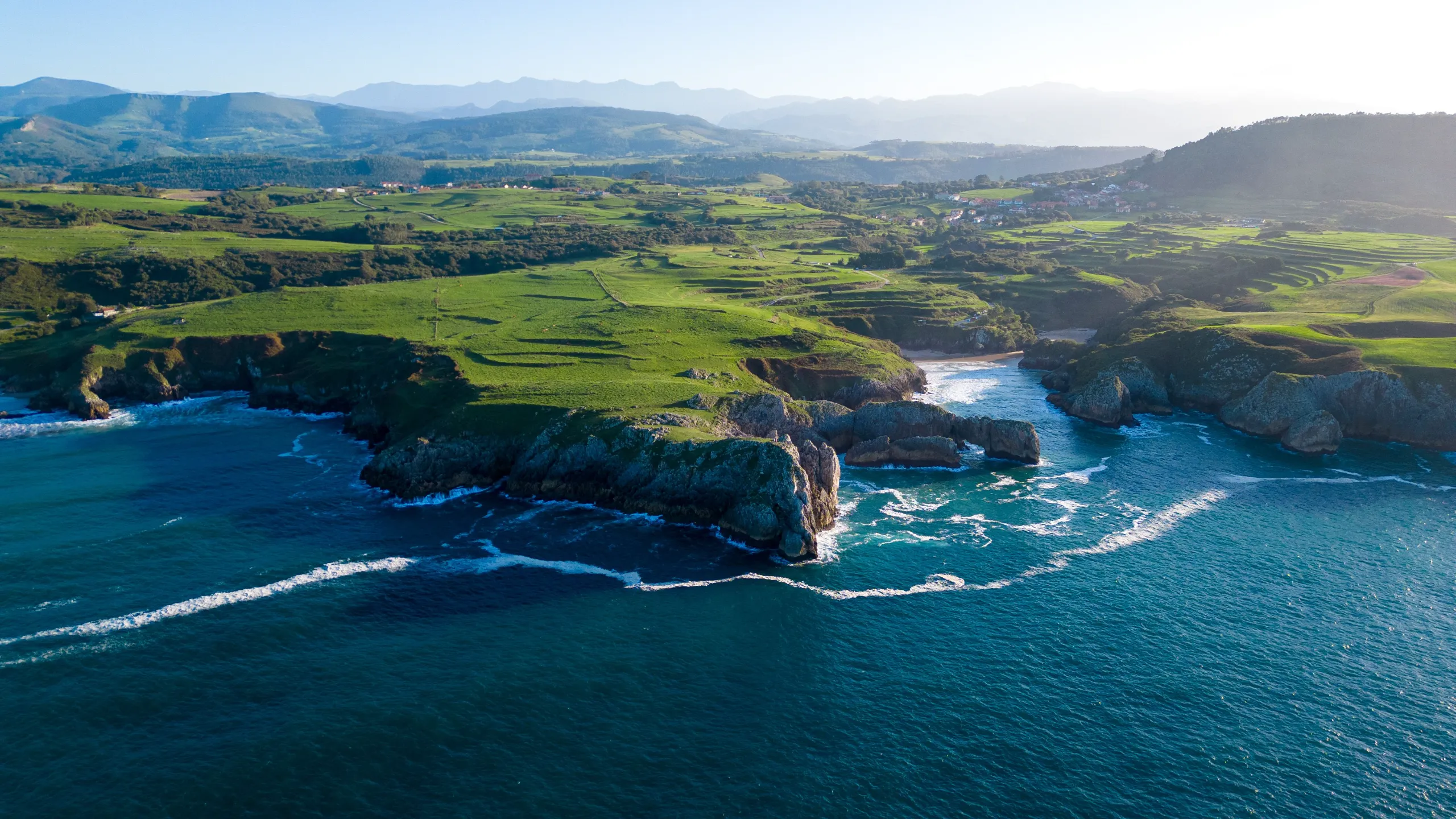
Rías Baixas is the Galicia most people picture when they imagine the region: wide Atlantic inlets, white sand beaches that look almost Caribbean on a clear day, and small towns built around fishing and wine. It’s a different landscape from the river canyons further inland, but just as striking. Here are the places along these southern rías that we think are worth the detour.
Often called one of the best beaches in the world, and once you’ve walked out onto Rodas beach with the water on both sides, it’s easy to see why. The islands are part of a national park, so access is limited by ferry permits, especially in summer, and we’d strongly recommend booking well ahead if you’re planning a visit between June and September. Outside peak season, the islands are quieter and the crossing from Vigo is just as dramatic.
Cambados is the unofficial capital of Albariño wine, and the old town, all stone arcades and a beautiful main square, is worth wandering slowly. Many of the bodegas nearby welcome visitors for tastings, and the combination of vineyards running almost down to the sea is something we haven’t really seen anywhere else in Spain. Early evening, when the square fills up and the light turns gold over the ría, is our favourite time to be there.
Less visited than the Cíes Islands but just as beautiful, Ons has its own rhythm and far fewer crowds. The beaches here are wilder, the walking trails along the cliffs give some of the best coastal views in the rías, and there’s a small fishing community that still gives the island a lived-in feel rather than a purely touristic one.
One of the most photographed villages in Galicia, and for good reason. The hórreos, the traditional raised granaries, line the waterfront right at the edge of the sea, which is an unusual sight even by Galician standards. It gets busy with day-trippers, so an early morning or late afternoon visit gives you a much better sense of the place.
Baiona has a genuine claim to history, it’s where the Pinta caravel first returned from the Americas in 1493 with news of Columbus’s voyage. The old town is compact and easy to explore on foot, and the walk around the fortified peninsula of Monte Real, now home to a parador, gives sweeping views over the Ría de Vigo.
A short stretch of coast that’s often overlooked because it sits so close to a working city, but the walk along here has some genuinely striking Atlantic views. It’s a good option if you’re based in Vigo and want a coastal walk without driving out to the more remote parts of the rías.
Distances between the main towns in Rías Baixas are shorter than in Ribeira Sacra, so it’s realistic to base yourself in one place, Pontevedra or Cambados work well, and take day trips from there. Ferry access to both Cíes and Ons is restricted and needs to be booked in advance, particularly in July and August, so we’d sort that out before anything else if those islands are a priority. A car still helps for reaching Combarro, Baiona, and the smaller villages, though the towns themselves are best explored on foot.