
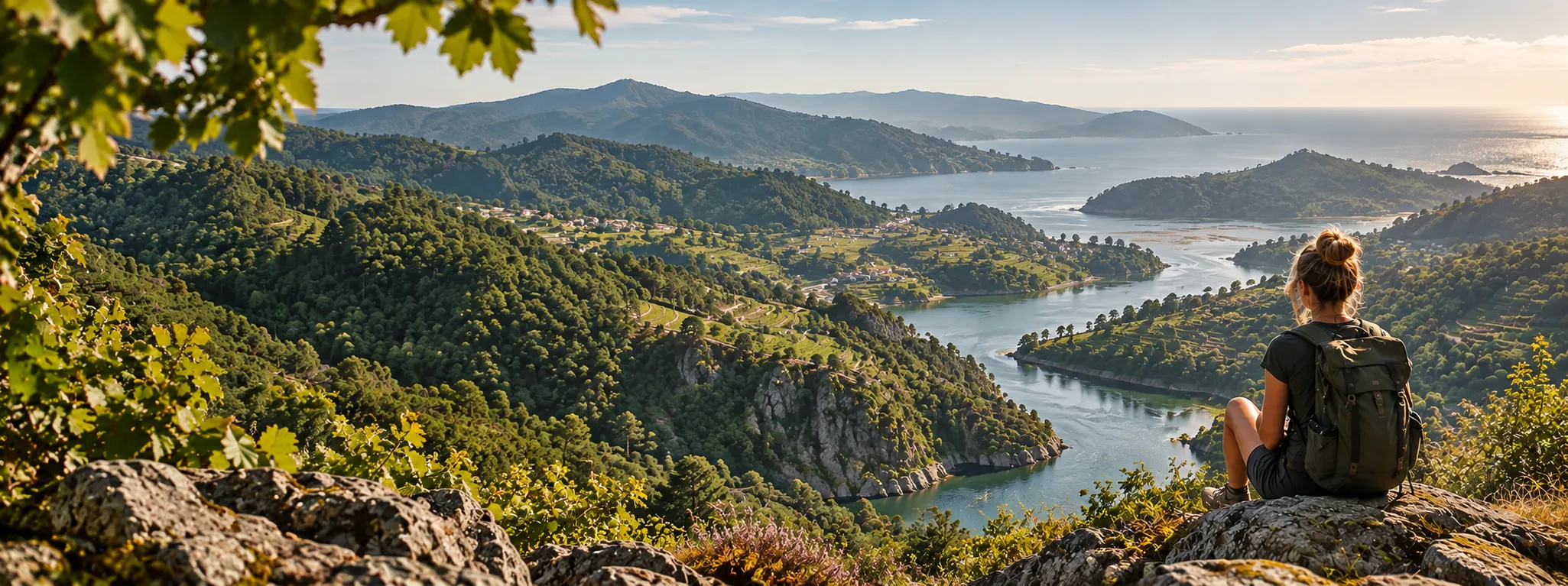
Galicia is Spain at its most Atlantic: green hills, rugged headlands, fishing harbours, centuries-old cities and river valleys where the roads seem to follow the landscape rather than cut through it. This northwestern corner of the country rewards travellers who leave room for discovery.
Whether you are planning a long weekend in Santiago or a two-week road trip, this guide brings together the essentials: when to go, how to get around, where to stay and which regions to explore first.
Where is Galicia?
Galicia occupies the northwest of Spain, bordering Portugal to the south and the Atlantic to the west and north. Its four provinces are A Coruña, Lugo, Ourense and Pontevedra. Although the distances between major cities are manageable, the rural roads and deeply indented coastline make it worth choosing a few bases instead of trying to see everything.
When is the best time to visit?
Late spring and early autumn can be especially rewarding for walking, sightseeing and relaxed road trips. Summer brings long days and more beach weather, along with higher demand in popular coastal towns. Winter is quieter and often wetter, but cities, food and inland landscapes still have their appeal.
Galicia’s Atlantic weather is changeable throughout the year. A waterproof layer is useful even when the forecast looks promising. Read our guide to the best time to visit Galicia for more seasonal advice.
Where to go first
Santiago de Compostela is a natural starting point. Its cathedral, stone streets and lively plazas offer an atmospheric introduction to Galicia. Stay overnight if you can; the old town is especially enjoyable when the day-trippers have left.
Rías Baixas is the place for sheltered estuaries, sandy beaches, seafood and coastal villages. Pontevedra, Combarro and Cambados make appealing stops, while island excursions require advance planning and seasonal checks.
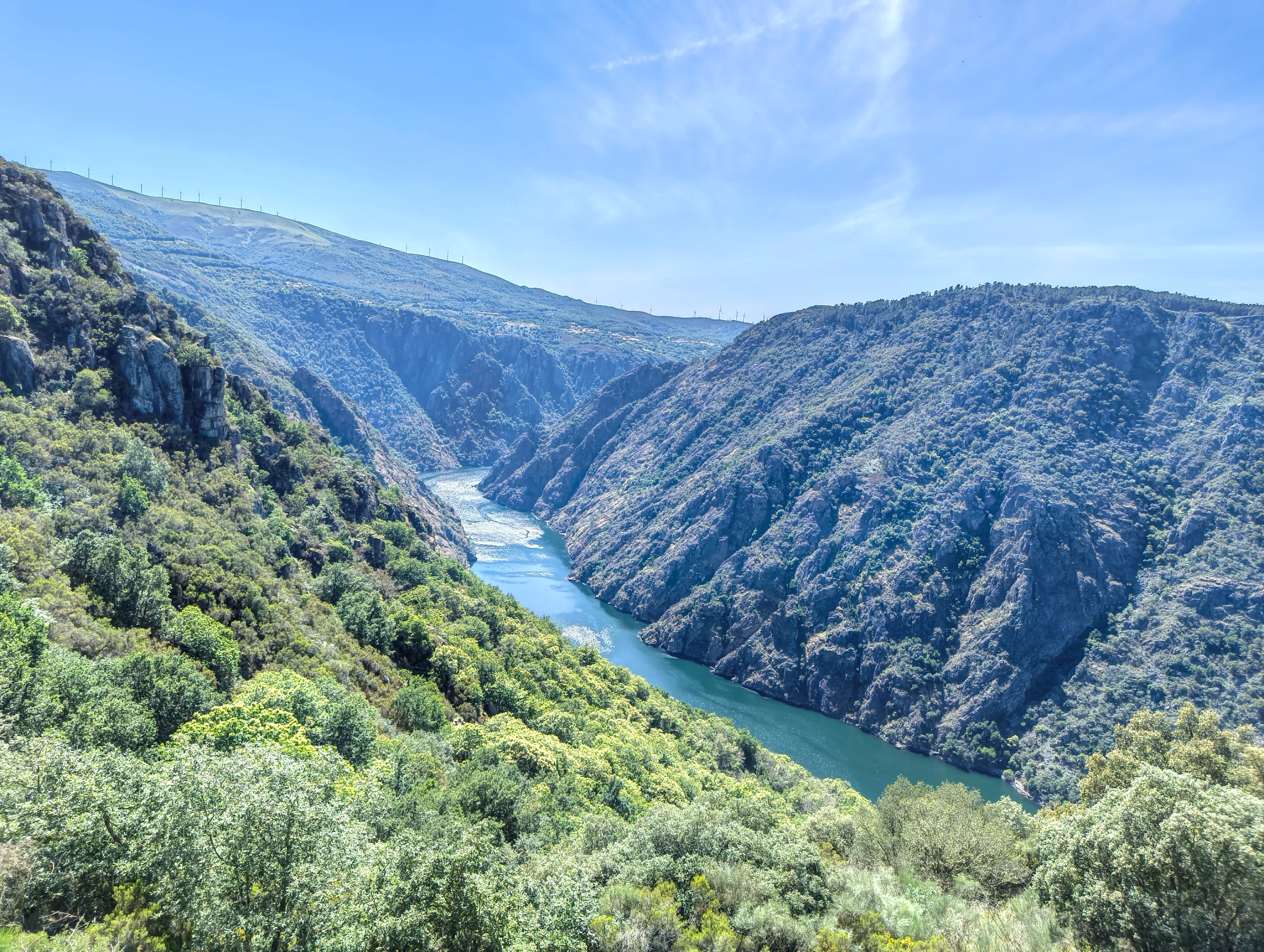
Ribeira Sacra trades the ocean for dramatic river scenery. Along the Sil and Miño valleys, steep vineyards, monasteries and viewpoints create one of Galicia’s most distinctive inland landscapes. Explore our Ribeira Sacra Travel Guide and Sil Canyon viewpoints.
Costa da Morte offers a wilder Atlantic coast of lighthouses, exposed headlands and fishing communities. With extra time, add A Coruña for its seafront and Tower of Hercules, Lugo for its Roman walls or Ourense for its historic streets and thermal traditions.
How to get to Galicia
Travellers arrive by road, rail, bus and air. Santiago de Compostela, A Coruña and Vigo are the main Galician airport gateways, while Porto in northern Portugal may also be convenient depending on your route. Compare onward connections rather than choosing a flight on price alone.
Do you need a car?
Not necessarily. A city break based in Santiago or a trip between major urban centres can work well with public transport. For rural waterfalls, remote viewpoints, vineyard roads and smaller coastal villages, a car gives much more freedom.
Plan realistic driving days. Inland roads can be narrow and winding, while coastal journeys may take longer than their straight-line distance suggests. See our car rental guide and 7-day road trip itinerary.
Food and wine worth slowing down for
Galician food is closely tied to its coast and countryside. Seafood, pulpo, empanada, seasonal produce and hearty local dishes all have their place. Wine lovers will encounter Albariño in the Rías Baixas and distinctive steep-slope vineyards in Ribeira Sacra. Menus and specialties change from town to town, so let local restaurants guide you.
Where to stay
For a first visit, Santiago is a convenient cultural base. A coastal town in the Rías Baixas suits beach days and waterfront dining, while a rural guesthouse in Ribeira Sacra makes it easier to enjoy the inland scenery without long daily drives.
Compare the full price, parking arrangements, cancellation conditions and access instructions. If you are arriving by car, check whether your accommodation is inside a pedestrianised historic centre. See where to stay in Santiago.
How long to stay: Three or four days is enough for one city and nearby excursions. Seven days works well for Santiago, the Rías Baixas and Ribeira Sacra. With ten to fourteen days, you can add northern Galicia at a gentler pace.
Before you travel: Check opening hours, transport timetables, weather, island permits and seasonal excursion schedules close to your departure date.
Plan a trip that leaves room for Galicia
The most memorable moments are not always the famous sights. They may be a quiet village square, a stretch of road through chestnut woods or a view of the Atlantic appearing beyond the hills. Choose a few regions, stay longer in each and enjoy the journey between them.
Start with our destination guides, discover the best places to visit in Galicia or follow our seven-day itinerary.